Smackover Formation Mineral Rights
The Smackover has been producing oil since the 1920s, and lately it's drawing a second kind of attention entirely — lithium brine — which changes what an owner in this trend needs to think about.
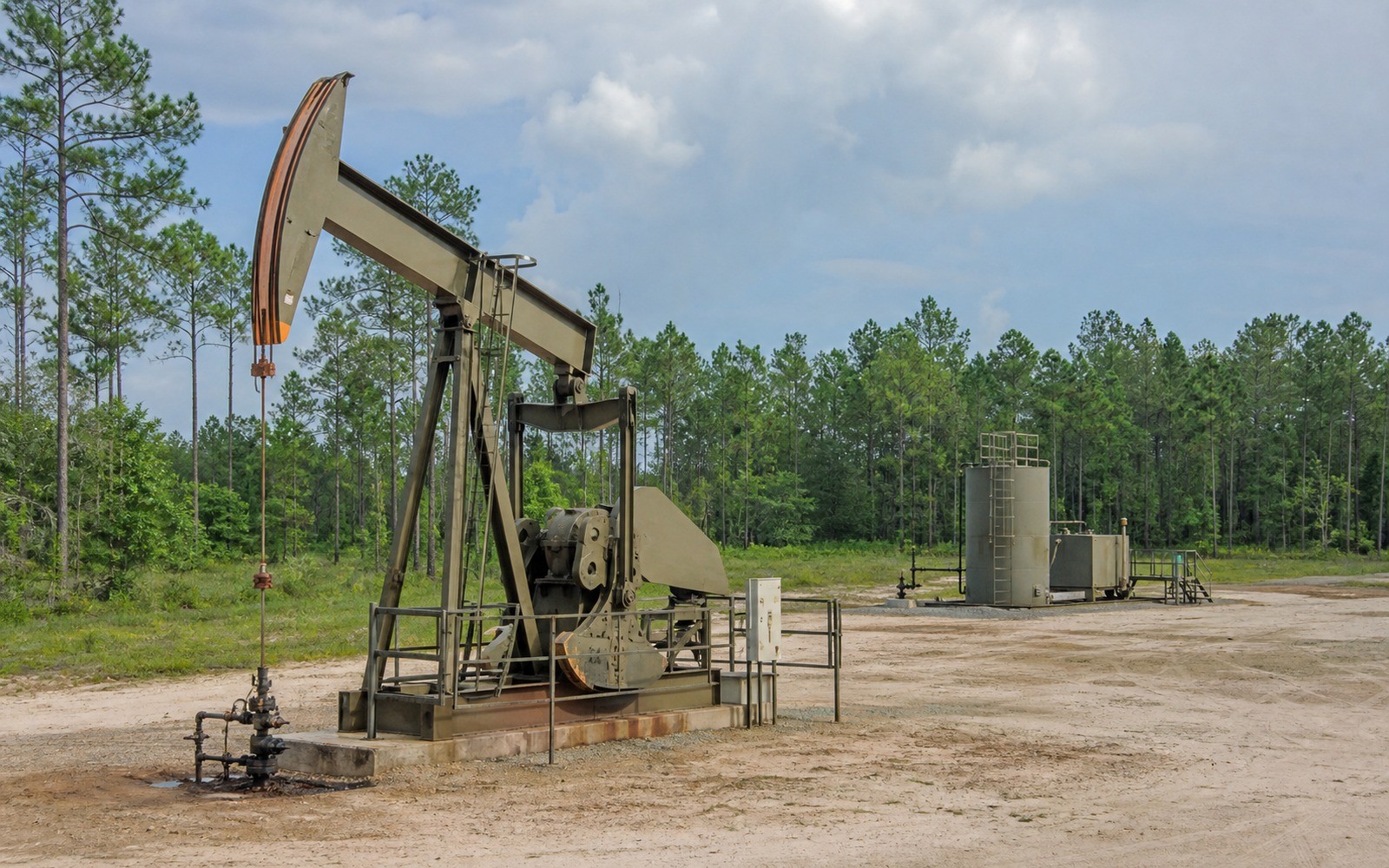
The Smackover Formation is one of the oldest producing oil trends in the country, running across south Arkansas, north Louisiana, and into Mississippi and East Texas. It's Jurassic-age carbonate rock, and it's been drilled conventionally for a full century at this point, meaning most Smackover wells are old, low-volume, stripper-level producers on long, established declines — a very different kind of asset than a recently drilled shale well.
What's made the Smackover newly relevant in the last few years is lithium. The same brines associated with Smackover oil and gas production in parts of Arkansas contain lithium concentrations that have drawn serious commercial interest as demand for battery-grade lithium has grown, and that's opened a second, separate value conversation for some owners in this trend.
A century-old conventional oil trend
Most Smackover wells were drilled decades ago, some going back to the earliest days of the play in the 1920s and 1930s, others from later development waves through the mid-20th century. By now, the vast majority of producing Smackover wells are on a long, low, well-established stripper-well decline, throwing off modest but often quite stable checks. There's relatively little new conventional Smackover oil drilling today compared to the play's historical peak.
That maturity is actually a strength for valuation purposes — a well with eighty or ninety years of intermittent production history, even at modest current volumes, gives a very clear picture of what remains, without the uncertainty that comes with a newer, less-proven well.
The lithium brine wrinkle
In parts of south Arkansas, Smackover brine — the salty water produced alongside oil and gas, and in some areas produced on its own from brine wells not primarily targeting hydrocarbons — has been found to contain lithium at commercially interesting concentrations. Several companies have announced projects to extract lithium from this brine using direct extraction methods, and some owners in this specific area may hold rights relevant to that resource separate from their oil and gas minerals.
This is genuinely new territory, and it's worth being careful here: whether lithium rights are included in your existing oil and gas lease or mineral deed, or whether they're a separate question entirely, depends on your specific document language and state law, which is still being worked out in some cases. If you're in the relevant part of Arkansas and haven't looked into this, it's worth a conversation with an attorney familiar with brine and lithium rights specifically, separate from any decision about your existing oil and gas royalty.
Reading an old Smackover statement
Given how long some of these wells have operated, ownership records and division orders can carry decades of accumulated history, sometimes through several changes of operator as older Smackover properties get bought and sold among smaller operators who specialize in mature, marginal production. Confirm your current decimal interest and operator are accurately reflected, especially if you haven't reviewed the statement closely in a while.
Arkansas and Louisiana both assess their own severance taxes at different rates, so if your Smackover interests span both states, expect different tax treatment on each side of the line.
Why owners sell in Smackover country
A lot of Smackover ownership is deeply generational — land held by the same family for a century, minerals passed down through many heirs, sometimes leaving individual owners with very small fractional interests in old wells. Converting that into a lump sum is a common and reasonable move for owners who'd rather not track a small, decades-old check indefinitely, especially across multiple small wells.
For owners with any potential lithium brine consideration, we evaluate the traditional oil and gas royalty on its own terms — if lithium rights are a separate matter for you, that's worth pursuing independently with appropriate legal guidance rather than assumed to be part of any oil and gas offer.
Owner questions
Questions a Royalty Owner Should Ask
Each answer ties the deposited amount back to the title, lease, unit, well, price, and adjustment records that produced it.
How old are most Smackover Formation wells?
Many date back to the earliest development in the 1920s and 1930s or later mid-century drilling waves, making the Smackover one of the oldest continuously producing oil trends in the country. Most current production is mature, low-volume stripper-well output.
Do your oil and gas minerals automatically include lithium brine rights?
Not necessarily — whether lithium rights are covered by your existing mineral deed or lease depends on the specific document language and applicable state law, which is still evolving in parts of Arkansas. This is worth reviewing separately with an attorney familiar with brine rights.
Is an old, low-producing Smackover well still worth selling?
Yes, decades of production history give a clear, reliable basis for valuing the remaining reserves even at modest current volumes, and many owners with small, old fractional interests find a lump sum more useful than continuing small annual checks.
Why do Arkansas and Louisiana Smackover interests get taxed differently?
Each state sets its own severance tax rate, so interests on either side of the Arkansas-Louisiana line will show different tax deductions on the statement even for wells in the same formation.
Related royalty reviews
Trace the next line behind the check
Each of these reviews turns on the same statement detail: the owner decimal, the wells behind it, the deductions, and the payor trail.