
Powder River Basin Mineral Rights
The Powder River Basin has two very different stories layered on top of each other — decades-old coalbed methane winding down, and a newer Niobrara oil play still working out its footprint.
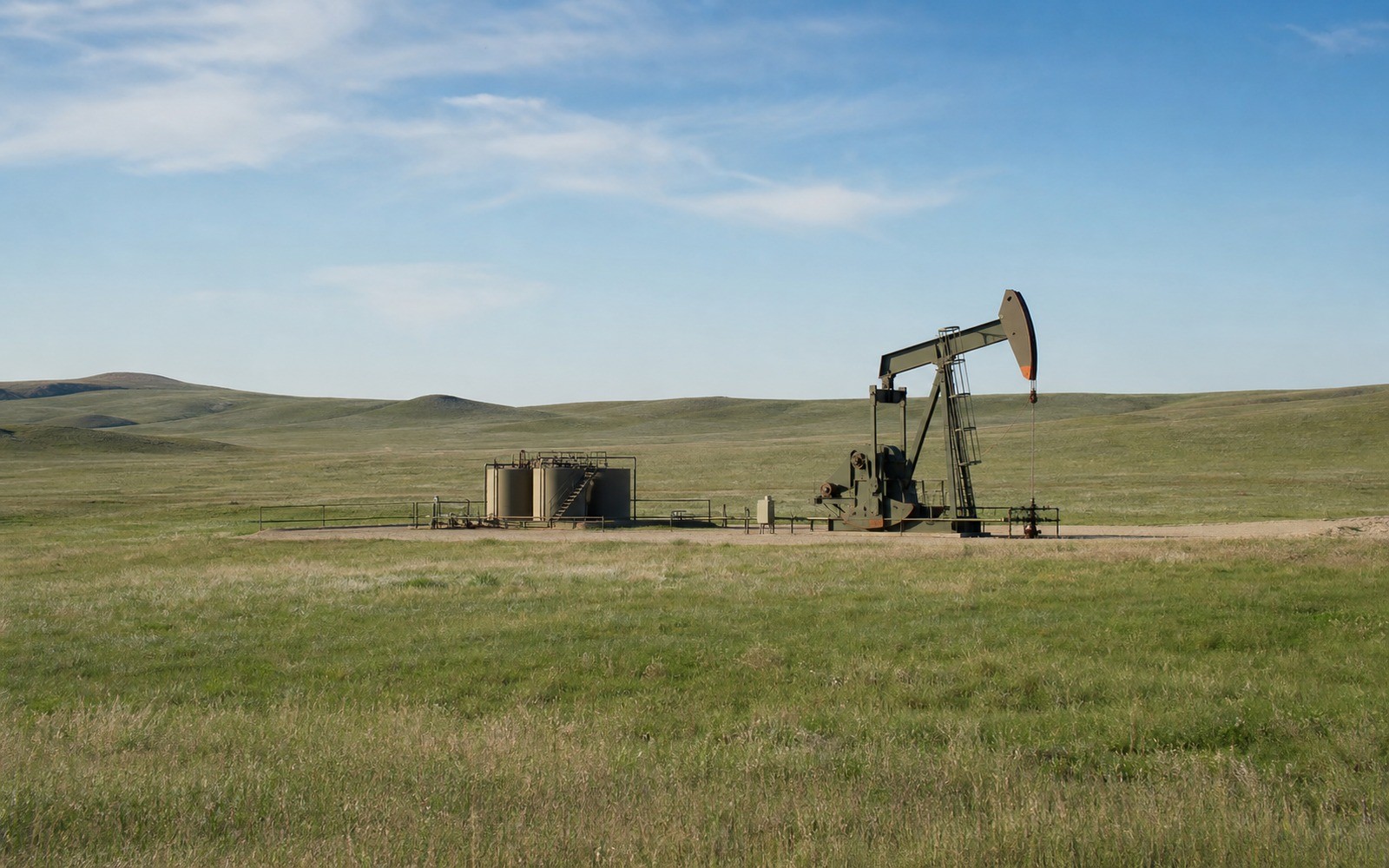
The Powder River Basin, spanning northeast Wyoming and into southeast Montana, has been through two distinct development eras that shape what a mineral owner might be looking at today. The first was the coalbed methane boom of the late 1990s through the mid-2000s, one of the biggest CBM plays in the country, drilled at shallow depth into the basin's thick coal seams. The second, much more recent, is horizontal Niobrara and Mowry oil development at greater depth, which has drawn renewed operator interest over the last several years.
Depending on which formation your interest is tied to, you could be looking at a mature, declining coalbed methane check, a newer oil-weighted horizontal well, or in some cases both on the same tract from different operators targeting different depths.
Coalbed methane's long, quiet tail
Powder River CBM wells, like coal-seam gas everywhere, needed to be dewatered before producing meaningful gas, and most of that ramp-up happened fifteen to twenty-five years ago. Today, most producing CBM wells here are well into a mature, low, relatively flat decline. Given how much CBM development happened basin-wide during the boom, some owners hold interests across many small wells rather than one or two larger ones, each throwing off a modest check.
Water handling remains an ongoing cost on these wells and typically shows up as a deduction — confirm it matches your lease's language rather than assuming the charge is automatically appropriate.
The newer Niobrara and Mowry oil story
More recent horizontal development in the Powder River has targeted the Niobrara and Mowry formations at depths well below the coal seams, using techniques proven in other unconventional oil plays. This side of the basin is genuinely newer and less densely developed than mature plays like the Permian or Bakken, meaning there's real uncertainty about how fast and how far this development extends — which cuts both ways for value, since it means real upside potential but also less production history to lean on for a confident valuation.
If your interest ties to this newer horizontal oil development, expect steeper first-year decline typical of unconventional wells, and know that offset drilling activity — or lack of it — is a bigger swing factor here than in a more established basin.
Federal and private minerals, side by side
Like a lot of Wyoming, a significant share of Powder River minerals are federal, managed through BLM leasing with royalty reporting partly running through the Office of Natural Resources Revenue. Private mineral interests also exist throughout the basin, particularly on ranch land where minerals were retained or acquired outside the federal estate. Knowing which kind of interest you hold changes the paperwork trail and, in the case of federal minerals, the royalty rate framework itself.
It's worth having your division order in hand to confirm which type of interest applies before assuming your Powder River statement should look like a standard private-lease document.
Ownership and why owners sell
Ranching families across Campbell, Converse, Johnson, and the surrounding Wyoming counties have often held Powder River minerals for generations, sometimes leasing separately for coal, coalbed methane, and now deeper oil rights on the same land over different decades. That layered history means untangling exactly what's producing and what isn't takes real diligence, which is part of the value a buyer familiar with this basin can add.
We talk to owners winding down old CBM interests who'd rather have a lump sum than track a small, aging check, as well as owners with newer Niobrara-Mowry interests who want to capture value from current development without waiting to see how far it extends.
Owner questions
Questions a Royalty Owner Should Ask
Each answer ties the deposited amount back to the title, lease, unit, well, price, and adjustment records that produced it.
Is your Powder River interest coalbed methane or the newer oil play?
It depends on your specific tract and which formation is producing. Coalbed methane wells are shallow and mostly from the late 1990s through mid-2000s boom, while newer Niobrara and Mowry development is deeper, more recent horizontal oil drilling.
Can the same tract have both CBM and newer oil production?
Yes, since these target completely different depths and sometimes different operators hold rights to each. It's not unusual for a Powder River owner to have interests in both types of wells on overlapping acreage.
How mature is the coalbed methane side of the basin?
Most CBM wells are fifteen to twenty-five years old and well into a mature, low, relatively flat decline, having long since passed the initial dewatering ramp-up phase.
Is the newer Niobrara-Mowry oil play a safer bet than older CBM wells?
It's not necessarily safer, just different — it has real upside potential from continued development but less production history to rely on, while CBM wells are well documented but offer little growth story. Each is valued on its own production and development stage.
Related royalty reviews
Trace the next line behind the check
Each of these reviews turns on the same statement detail: the owner decimal, the wells behind it, the deductions, and the payor trail.