Delaware Basin Mineral Rights
The Delaware Basin is the most actively drilled piece of the Permian right now, and a royalty check from here reflects a landscape of stacked pay that changes the whole valuation conversation.
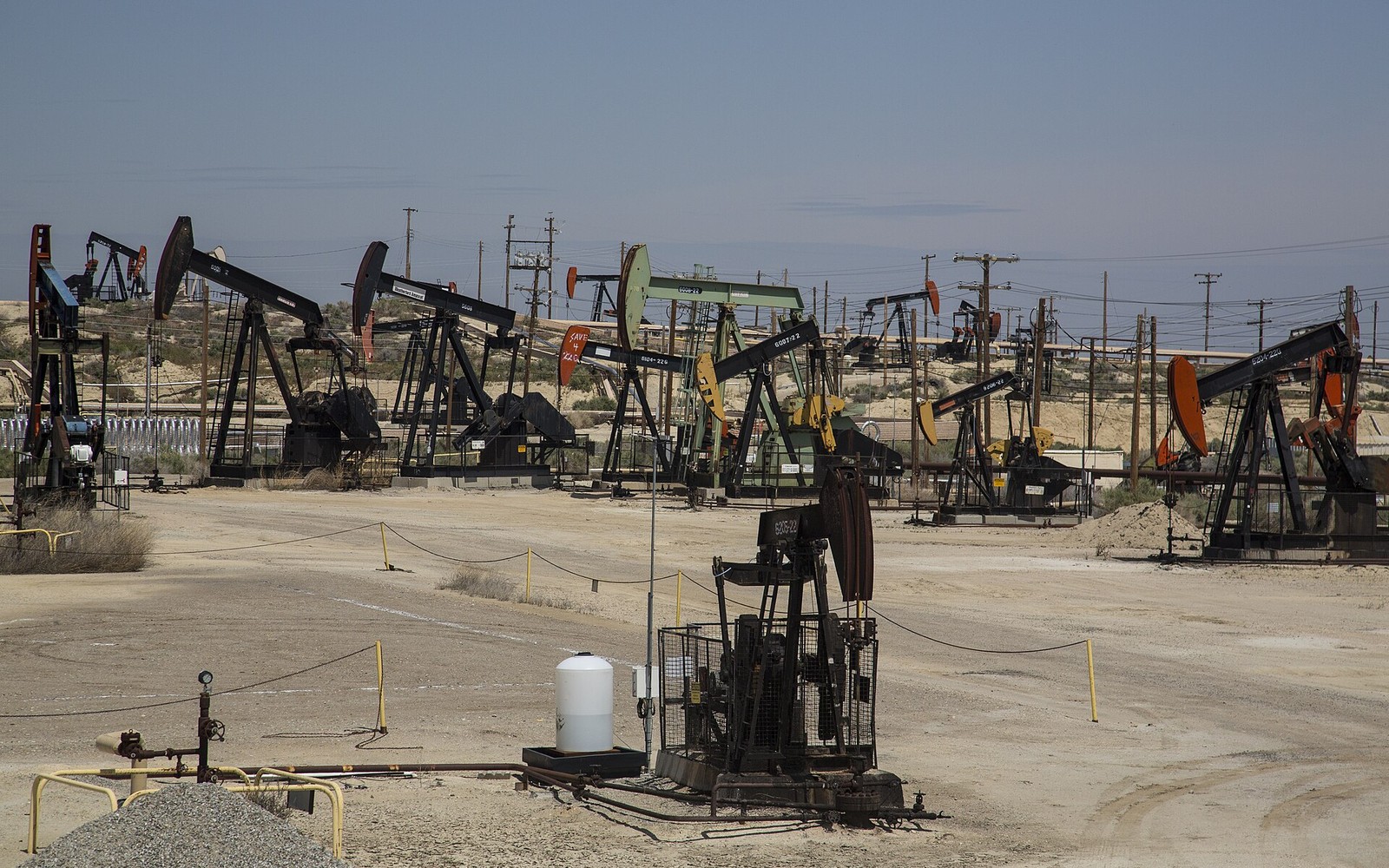
The Delaware Basin — the western sub-basin of the greater Permian, running through Reeves, Loving, Ward, Culberson, and Pecos counties in Texas and into Eddy and Lea counties in New Mexico — is where a huge share of current U.S. drilling activity is happening. What sets it apart from a single-formation play is stacked pay: the Wolfcamp, Bone Spring, and Avalon shale formations sit on top of each other, meaning an operator can drill multiple horizontal wells at different depths under the same surface acreage, sometimes over a period of many years.
If you own minerals here, that stacking is the single biggest thing shaping your interest's value. A tract that's only seen one Wolfcamp well drilled might still have Bone Spring or additional Wolfcamp bench potential sitting untouched below it.
Stacked pay and what it means for your check
Because the Delaware has multiple productive zones at different depths, one spacing unit can support several horizontal wells targeting different benches — Wolfcamp A, Wolfcamp B, Wolfcamp C, Bone Spring sands, sometimes more, all under the same surface acreage. An operator with a strong position here might drill one zone first, then come back years later for the next bench once infrastructure and pricing support it.
That means your current royalty check may only reflect a fraction of what your minerals could ultimately produce if every zone gets developed — but it also means predicting future drilling requires real diligence, not guesswork. We look at how many wells are already producing on your unit against how many the operator has permitted or drilled on nearby, similarly-configured units to gauge how much stacked-pay upside is realistic versus speculative.
Reading a Delaware Basin statement
Delaware wells typically produce oil, gas, and natural gas liquids together, so your statement should show separate revenue lines for each, plus post-production deductions for gathering, processing, and transportation. Given how much midstream infrastructure has been built in this basin over the last decade, deduction lines here tend to be substantial in dollar terms even when they're a reasonable percentage of gross revenue, simply because gross revenue per well tends to run high.
Water is also a major cost center in Delaware operations — produced water disposal and, increasingly, water recycling for future fracks — though this typically shows up in the operator's overall economics rather than as a direct royalty deduction unless your lease has unusual language. If your deductions look larger than expected, ask for an itemized breakdown by cost category rather than accepting one lump number.
Big operators, active development
The Delaware side of the Permian is dominated by well-capitalized operators running multi-rig development programs, which is different from areas where a single small operator holds a scattered position. That scale cuts both ways for a mineral owner: large operators tend to be more consistent and timely on royalty payments and division order processing, but they also move development pace based on portfolio-wide capital decisions that have nothing to do with your specific tract.
When we evaluate a Delaware interest, we check who currently operates the acreage, how active they've been drilling in your specific area over the last 12-24 months, and whether there's been any recent leasehold sale or trade that changes the development picture.
Why owners sell in an active basin
It might seem counterintuitive to sell in the most active basin in the country, but that's exactly when a lump-sum offer tends to be most competitive, since buyers are pricing in real, current development activity rather than a speculative story. Owners sell for the usual reasons — diversifying out of a concentrated position, funding a purchase, simplifying an estate with several small Permian interests — but the timing works in their favor precisely because the basin is active.
We also see owners who've held a Delaware interest since before the horizontal boom and have watched its value shift dramatically as operators moved from vertical to multi-zone horizontal development. Getting a current read on that value, rather than relying on what the interest was worth a decade ago, is often the first step.
Owner questions
Questions a Royalty Owner Should Ask
Each answer ties the deposited amount back to the title, lease, unit, well, price, and adjustment records that produced it.
What does 'stacked pay' mean for your Delaware Basin minerals?
It means multiple productive zones — commonly the Wolfcamp benches and Bone Spring sands — sit at different depths under the same acreage, so more than one well can be drilled on your unit over time. Only some of those zones may be developed so far, which affects both current and potential future value.
Why are your Delaware Basin deductions so high in dollar terms?
Gross revenue per well tends to run high in this basin given strong well performance, so post-production deduction dollars scale up accordingly even at a normal percentage. Ask your operator for an itemized cost breakdown if the number looks unclear.
How do you know if your unit still has undeveloped zones?
Checking how many wells are currently producing on your specific unit against permits filed and nearby operator activity gives a reasonable read. We do this as part of evaluating any offer, since it's central to what an interest is worth.
Is it a bad time to sell if the Delaware is actively being drilled right now?
Active development is usually when offers are most competitive, since buyers are pricing current activity rather than a speculative future. Many owners choose to sell precisely because the basin is active, not despite it.
Related royalty reviews
Trace the next line behind the check
Each of these reviews turns on the same statement detail: the owner decimal, the wells behind it, the deductions, and the payor trail.