
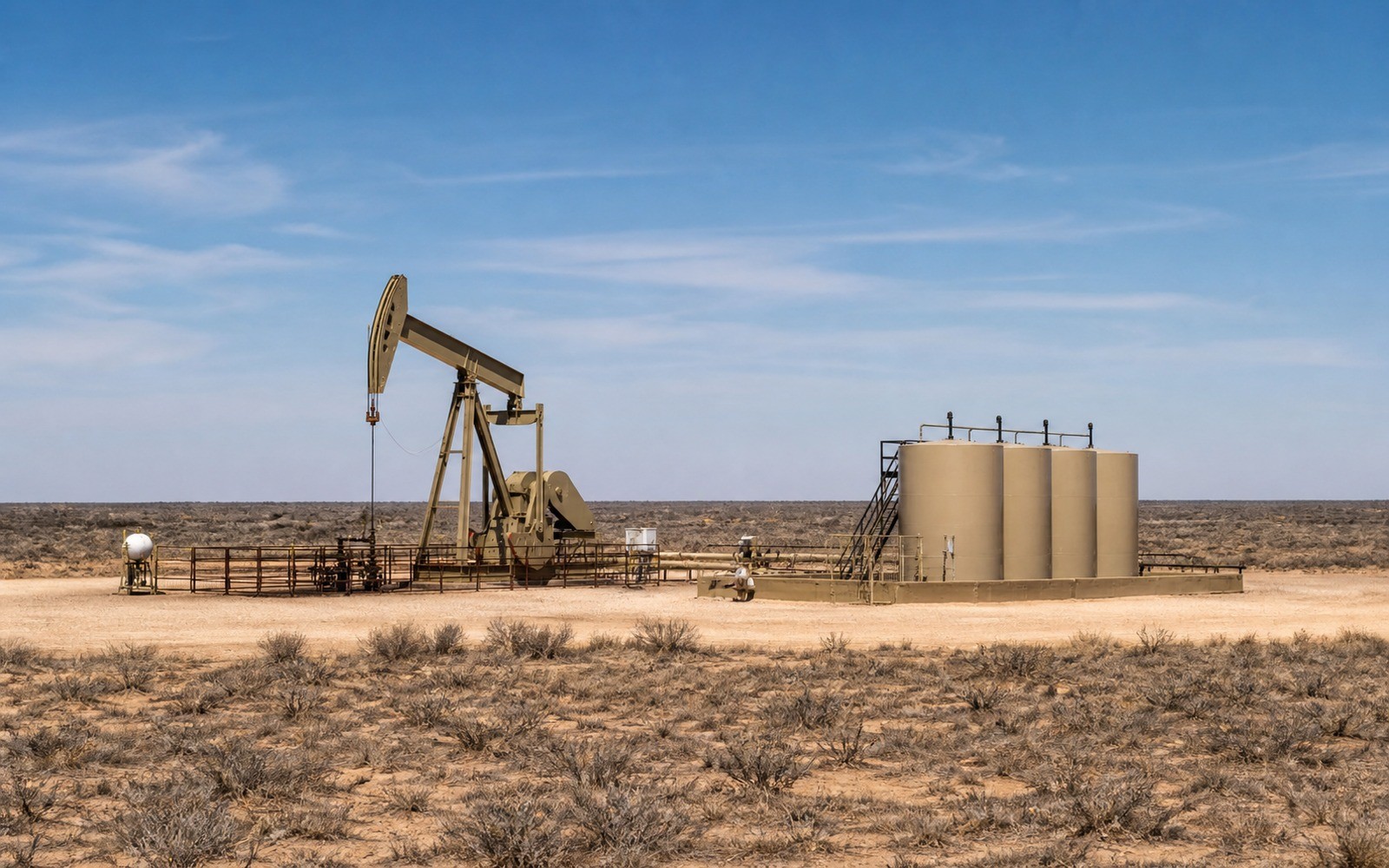
Midland Basin Mineral Rights
West Texans have been drilling the Midland Basin since the 1920s, and the interest you hold today might trace back to a vertical well from that era, a Spraberry well from the 1950s, or a horizontal Wolfcamp well drilled last year — sometimes all three on the same tract.
The Midland Basin is the eastern sub-basin of the greater Permian, centered on Midland and Odessa and running through Martin, Howard, Glasscock, Reagan, Upton, and the surrounding West Texas counties. It's one of the longest continuously producing oil regions in the country, and that long history is exactly what makes ownership here layered — a lot of Midland Basin minerals have been through multiple drilling generations, from early vertical wells targeting shallower zones to the horizontal Wolfcamp and Spraberry development that's dominated the last decade and a half.
If your family has owned minerals here for generations, there's a decent chance your check today comes from a completely different well, targeting a completely different formation, than whatever originally produced on that tract.
Stacked benches and layered history
The Midland Basin's Wolfcamp interval alone has multiple distinct benches — commonly labeled A, B, C, and D — that can each support separate horizontal wells, on top of the long-producing Spraberry formation above it. That stacking means a single unit can see wells drilled at different times targeting different zones, sometimes years apart, each adding its own line to your royalty statement.
For an owner, this means your current check may reflect only part of what's ultimately recoverable from your minerals — some benches may still be undeveloped even on a tract with decades of production history. We look at which specific zones have been drilled on your unit versus which remain open when evaluating an offer, since that gap is often where real additional value sits.
Old vertical wells and legacy interests
It's common in the Midland Basin to find owners still receiving small checks from vertical wells drilled decades ago, sometimes back in the 1950s through 1980s, that are now on a long, low stripper-well tail. These wells rarely get plugged as long as they're economic at even a marginal level, so a legacy interest can keep paying small amounts for a surprisingly long time.
If your family's ownership predates the horizontal shale boom, it's worth clarifying whether your current royalty is tied to one of these older vertical wells, a newer horizontal well, or both — the history and remaining life look very different depending on which.
Reading a West Texas oil statement
Midland Basin statements typically show oil, gas, and NGL revenue separately, with gathering, processing, and transportation deductions reflecting the well-developed midstream network across the basin. Texas doesn't require post-production cost disclosure in the same detailed way some other states do, so if your deduction line looks opaque, it's worth requesting an itemized breakdown directly from the operator rather than assuming the lump figure is correct as shown.
Also confirm your decimal interest reflects the current unit configuration if a newer horizontal well has been added to a unit that previously only had older vertical production — unit boundaries and your share of them can change as development progresses.
Why West Texas owners sell
Because ownership here is often generational, we talk to a lot of heirs holding fractional interests spread across siblings, cousins, and multiple wells, wanting to simplify decades of accumulated paperwork into one clean transaction. We also talk to owners who want to capture value from active horizontal development now rather than wait to see which additional Wolfcamp benches eventually get drilled, since that timeline is never guaranteed on any specific tract.
Given how much of the Midland Basin remains under active development, current activity on and near your specific unit is one of the biggest factors in what an offer looks like, more so than the basin's reputation as a whole.
Owner questions
Questions a Royalty Owner Should Ask
Each answer ties the deposited amount back to the title, lease, unit, well, price, and adjustment records that produced it.
How many Wolfcamp benches can be drilled under your Midland Basin minerals?
It varies by location, but the Wolfcamp interval commonly includes multiple distinct benches that can each support a separate horizontal well. Checking which specific zones have already been drilled on your unit versus which remain open is part of evaluating your interest's full potential.
Is it normal to still receive a small check from an old vertical well?
Yes, legacy vertical wells in the Midland Basin often keep producing at low, marginal rates for a very long time and rarely get plugged as long as they remain economic. That long tail is a real, if modest, source of ongoing value.
Why doesn't your Texas statement break out its deductions in detail?
Texas doesn't require the same level of post-production cost disclosure as some other oil and gas states. If your deduction line isn't clear, request an itemized breakdown directly from the operator rather than accepting a single lump figure.
Does a new horizontal well change your ownership share on an older unit?
It can, if the new well is drilled on a reconfigured or expanded spacing unit that differs from the original vertical-well unit. It's worth confirming your current decimal interest reflects the unit as it exists today.
Related royalty reviews
Trace the next line behind the check
Each of these reviews turns on the same statement detail: the owner decimal, the wells behind it, the deductions, and the payor trail.