
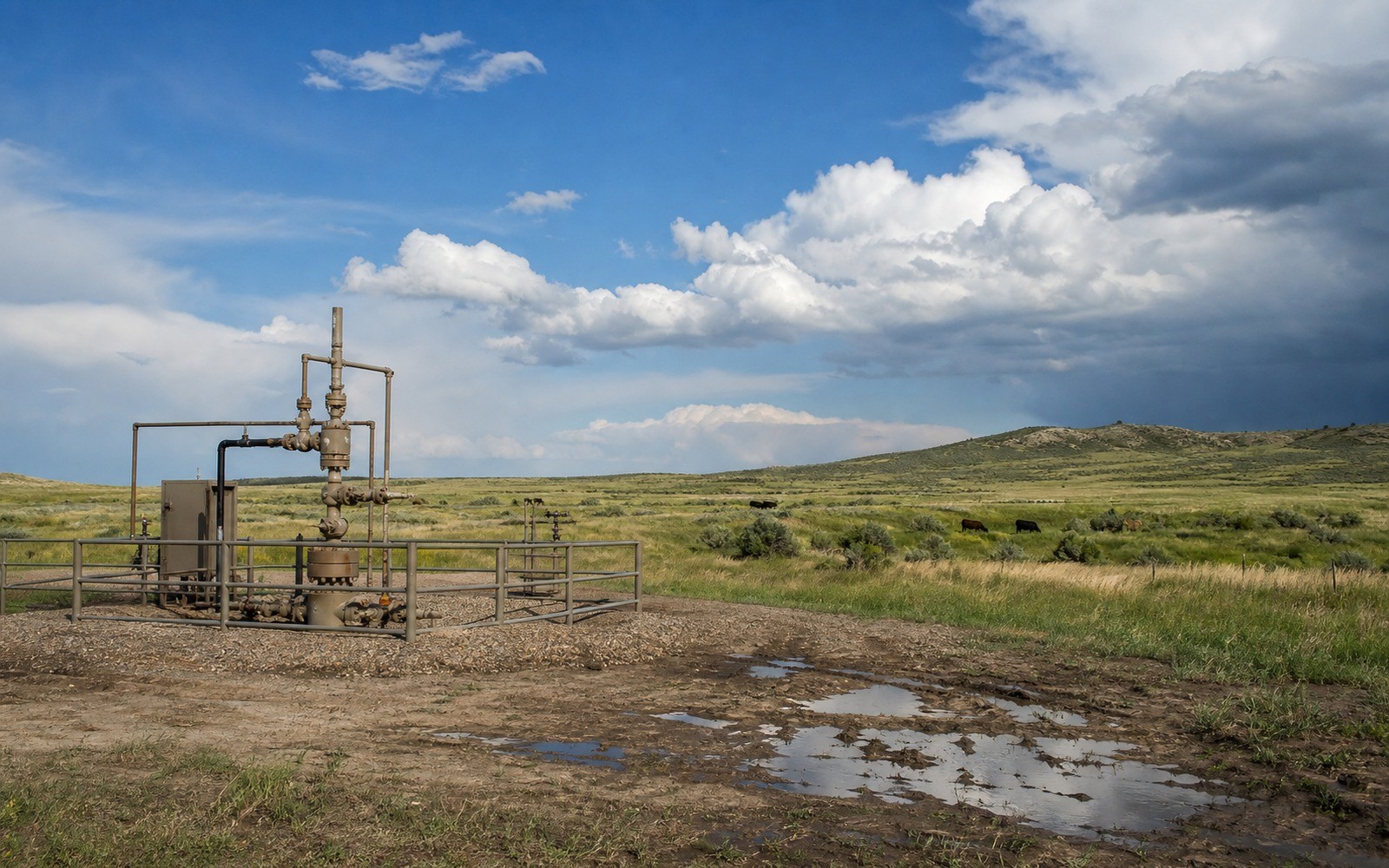
Piceance Basin Mineral Rights
The Piceance had its run through the 2000s and quieted down when gas prices fell, and most owners here today are holding a mature, low-key interest rather than anything actively growing.
The Piceance Basin in western Colorado, centered around Garfield, Rio Blanco, and Mesa counties, is a tight gas play primarily developed in the Williams Fork and broader Mesaverde formations. Development ramped up significantly through the 2000s as operators worked out how to economically produce this low-permeability rock, then slowed sharply when gas prices dropped in the mid-2010s and capital shifted to oil-weighted basins elsewhere.
If you hold minerals here, you're most likely behind wells drilled during that 2000s buildout, now well into a mature production phase, with relatively little new drilling activity to factor into the picture today.
Why owners sell a mature Piceance interest
Given how long this basin has been quiet on the new-drilling front, most owners we talk to are less focused on upside and more interested in converting a small, steady, well-established gas check into a lump sum, particularly if they've held the interest for well over a decade already and don't have strong conviction that Piceance activity will pick back up meaningfully in the near term. A predictable, well-documented decline is easier for both sides to price fairly than a newer well still finding its long-term rate.
We also see owners consolidating several older Piceance interests picked up or inherited across different wells and townships in Garfield, Rio Blanco, or Mesa County, looking to simplify what's become a modest but scattered set of small annual payments spread across more than one operator's division order system.
A tight gas play that slowed on schedule
Piceance wells require significant fracture stimulation to produce economically from tight Mesaverde sands, and the economics of that work only made sense at certain gas price levels. When prices fell in the 2010s, a lot of planned Piceance development simply didn't happen, leaving some units with fewer wells than the acreage could theoretically support. That's a real, if uncertain, source of future upside if gas prices and drilling economics improve, but it's not something to count on in the near term, since operators have plenty of other basins competing for the same drilling capital right now.
What you're valuing today is mostly the wells that are already producing — a well-documented, mature decline that gives a clearer basis for current value than any speculation about a return to more active drilling. That's actually a point in an owner's favor: there's little guesswork left in what the well does month to month.
Federal minerals in parts of the basin
A meaningful share of Piceance acreage involves federal minerals managed by the Bureau of Land Management, given how much of western Colorado's subsurface falls under federal ownership. If your interest is a federal lease, expect royalty reporting that runs partly through the Office of Natural Resources Revenue alongside your operator's own statement, and know that royalty rates and lease terms are set by federal regulation rather than privately negotiated.
If your minerals are privately held instead, the relationship runs directly through the operator under standard lease terms, which tends to be a more straightforward paperwork trail. Either way, your division order should state plainly which category applies, so pull that document before assuming one framework or the other.
Reading a Piceance statement
Gathering, compression, and dehydration deductions are standard given the processing tight gas requires, and Colorado severance tax should appear as its own line item at the state's current rate. Because a lot of Piceance production has been flat for years now, a sudden, unexplained change in your check size is more likely to reflect a real operational event — a well going down, a gathering system change — than normal decline, and it's worth a call to the operator if you see one.
If your interest is on federal minerals, periodically cross-checking against ONRR data, where accessible, can help confirm your operator's reporting lines up over time. It's also worth keeping a simple running log of monthly volumes and price yourself, since a self-tracked record makes it much easier to spot an unexplained gap years down the road.
Owner questions
Questions a Royalty Owner Should Ask
Each answer ties the deposited amount back to the title, lease, unit, well, price, and adjustment records that produced it.
Is the Piceance Basin still being actively drilled?
Activity has been limited since gas prices fell in the mid-2010s and slowed most new Piceance development. Most producing wells today date from the earlier 2000s buildout and are on a mature decline.
Is your Piceance interest on federal or private minerals?
It depends on your specific tract, since a significant share of western Colorado subsurface is federally owned. Your division order or lease documents will indicate whether you're dealing with a federal BLM lease or a private mineral lease.
Could Piceance drilling activity pick back up?
It's possible if gas prices and drilling economics improve, since some units were left with fewer wells than the acreage could theoretically support. That said, current value is based mainly on existing production, not a bet on renewed activity.
Is a mature, low-activity Piceance interest worth selling?
Yes, a well-documented mature decline gives a clear basis for valuing the remaining production, and many owners prefer converting a small, steady gas check into a lump sum rather than holding it indefinitely.
Related royalty reviews
Trace the next line behind the check
Each of these reviews turns on the same statement detail: the owner decimal, the wells behind it, the deductions, and the payor trail.