
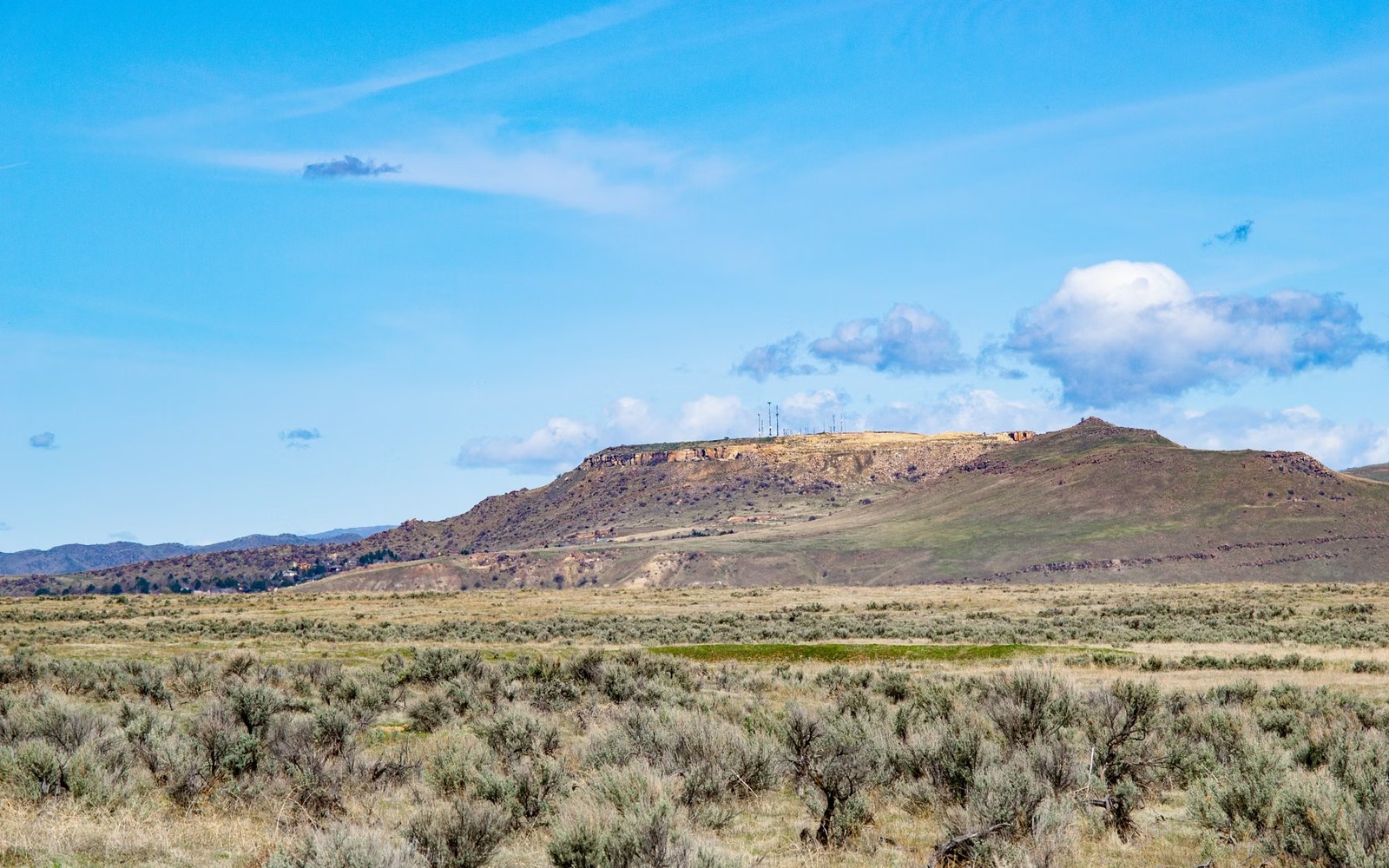
Green River Basin Mineral Rights
Pinedale and Jonah put Wyoming's Green River Basin on the map for tight gas, and the royalty statements behind those fields carry a federal-lease flavor that owners in state-lease basins never have to deal with.
The Green River Basin in southwest Wyoming, home to the Pinedale Anticline and Jonah fields, is a tight gas play — gas trapped in low-permeability sandstone that requires dense well spacing and hydraulic fracturing to produce economically. It's been developed intensively since the early 2000s, with thousands of wells drilled on some of the tightest spacing patterns in the country to drain the reservoir effectively.
A large share of Green River production sits on federal mineral leases managed by the Bureau of Land Management, which means owners here often deal with a mix of federal royalty rules and BLM administrative processes that don't come up in basins dominated by private or state minerals.
Federal minerals versus private minerals
If your interest is a federal lease, your royalty rate and much of the payment framework is set by federal regulation rather than a privately negotiated lease, and reporting flows partly through the Office of Natural Resources Revenue rather than solely through the operator. That's a different paperwork trail than most owners are used to, and it's worth knowing which kind of interest you hold before assuming your statement should look like a typical private-lease document.
If your interest is private minerals within the basin — less common here than in a lot of other Wyoming and Rocky Mountain plays, but it exists — the royalty relationship runs through the operator directly under standard lease terms, closer to what you'd see in Texas or Oklahoma.
Tight gas, dense spacing, long life
Because Pinedale and Jonah wells were drilled on unusually tight spacing to drain a low-permeability reservoir, a single unit or section can host far more wells than you'd see in a conventional gas play, which means your interest may be tied to a dozen or more wells rather than one or two. That density cuts both ways: more wells means more revenue lines to track, but it also means the overall unit's decline tends to be more gradual than a single-well interest would show, since new wells within the unit have historically come online at staggered times.
Tight gas wells generally decline steeply early like shale wells do, but the sheer well density in core Pinedale and Jonah acreage has kept many units producing at meaningful rates for well over a decade.
What to check on a Wyoming gas statement
Gathering, compression, and dehydration deductions are standard given how much processing infrastructure Green River gas requires before it reaches a sales point. Wyoming assesses its own severance tax and ad valorem tax, both of which should appear as separate line items — confirm they're calculated at current rates, since Wyoming's ad valorem assessments are handled at the county level and can vary by where exactly your interest sits.
If your interest is a federal lease, cross-check your statement periodically against ONRR reporting if you have access to it, since federal royalty accounting has its own audit and adjustment cycle that can occasionally result in retroactive corrections to past payments.
Ownership and why owners sell here
Federal lease interests in the Green River Basin are sometimes held by owners who acquired them through complicated chains — old homestead patents that reserved minerals to the federal government, later leased competitively, with private overriding royalty interests layered on top by intermediaries over the years. Untangling exactly what you hold can take real effort, which is part of why some owners prefer a buyer who can do that diligence rather than sorting it out themselves.
Owners with private mineral or royalty interests in the basin sell for more familiar reasons — consolidating a scattered position, wanting a lump sum instead of tracking a tight-gas decline over another decade, or simply moving on from an asset that requires more paperwork attention than they want to give it.
Owner questions
Questions a Royalty Owner Should Ask
Each answer ties the deposited amount back to the title, lease, unit, well, price, and adjustment records that produced it.
How is a federal Green River Basin lease different from a private mineral lease?
Federal leases follow royalty rates and administrative processes set by federal regulation, with reporting that runs partly through the Office of Natural Resources Revenue rather than the operator alone. Private leases follow standard negotiated lease terms closer to what you'd see in most other basins.
Why does your unit have so many wells compared to other basins you have heard about?
Pinedale and Jonah tight gas required unusually dense well spacing to drain the low-permeability reservoir effectively, so a single unit can include far more wells than a conventional play would need. That density also tends to keep the unit's overall decline more gradual over time.
What is Wyoming ad valorem tax and why is it on your statement?
It's a county-level property tax assessed on oil and gas production in Wyoming, separate from state severance tax, and it should appear as its own deduction line. Rates can vary by county, so it's worth confirming the figure matches your specific location.
Is it complicated to sell a federal lease royalty interest?
It takes more diligence than a straightforward private lease, since ownership chains on federal leases sometimes involve older patents, competitive lease history, and overriding royalty layers. That complexity is something a buyer experienced with federal minerals can sort through as part of the offer process.
Related royalty reviews
Trace the next line behind the check
Each of these reviews turns on the same statement detail: the owner decimal, the wells behind it, the deductions, and the payor trail.