
Niobrara Mineral Rights
The Niobrara isn't one basin, it's a formation that shows up under several different basins, and knowing which one your check is actually tied to changes the whole read.
'Niobrara' gets used two ways in this business, and it's worth being precise about which one applies to you. It's a rock formation — a chalky, organic-rich interval that sits under a wide swath of the Rocky Mountain region — and it's also become shorthand some people use loosely for Denver-Julesburg Basin oil production specifically, since the DJ is where Niobrara horizontal drilling first took off around Weld County, Colorado. But the Niobrara formation itself extends well beyond the DJ, into the Powder River Basin of Wyoming and parts of the Piceance and other Rocky Mountain basins.
If your royalty statement or lease references the Niobrara formation, the first useful question is which basin your specific well actually sits in, since operating conditions, well economics, and regulatory environment differ meaningfully basin to basin even though the target rock has the same name.
Same formation, different basins, different economics
A Niobrara well in Weld County, Colorado operates under Colorado's setback and permitting rules and typically sees dense horizontal development on large spacing units. A Niobrara well in the Powder River Basin of Wyoming is often part of a newer, less densely drilled play still working out its full development pattern, sometimes alongside older Powder River coalbed methane production from shallower zones on the same acreage. These aren't interchangeable assets just because they share a formation name.
When we evaluate a Niobrara interest, the state and basin it actually sits in drives most of the analysis — Colorado regulatory status, Wyoming federal-lease considerations, or wherever else the specific tract falls, matters more than the formation label alone.
What a Niobrara well produces
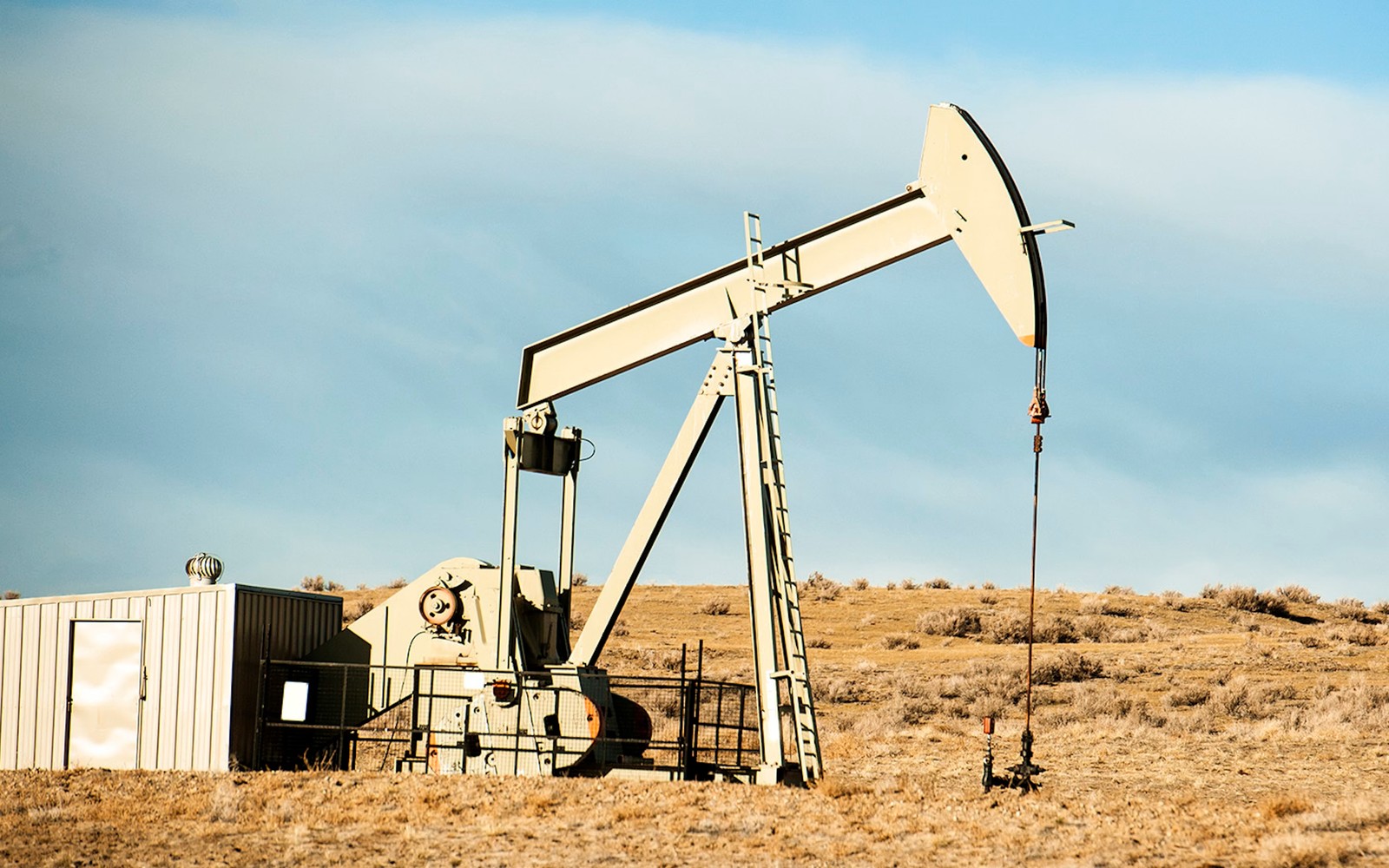
Across most of its productive area, the Niobrara is oil-weighted with meaningful associated gas, produced through horizontal, multi-stage-fracked wells similar in style to other unconventional plays. Decline follows the typical unconventional pattern — a strong first year, then a meaningful step down, settling into a longer, flatter tail. Your statement should show oil, gas, and often NGL revenue separately; if a well is producing liquids but your statement only shows one combined line, that's worth flagging with the operator.
Because Niobrara wells are often drilled alongside other target formations on the same pad — Codell in the DJ, other Powder River zones elsewhere — check whether your unit has co-developed zones that could mean additional future wells beyond just the Niobrara horizon itself.
Reading your statement, wherever it's from
Whatever state your Niobrara interest sits in, confirm the severance and any local production tax lines match your specific jurisdiction's current rates, and that post-production deductions for gathering and processing line up with your lease's actual language rather than a generic default. This basic check matters more in a formation that spans multiple states and regulatory regimes than in a play confined to one jurisdiction, since it's easy for statement templates to carry over assumptions from the wrong state.
If your interest sits on federal minerals — more common in parts of the Powder River Basin than in the privately dominated DJ — expect the added layer of federal royalty reporting through the Office of Natural Resources Revenue on top of the operator's own statement.
Selling a Niobrara interest
Owners come to us with Niobrara interests from very different situations — a Weld County ranching family managing a mature, dense DJ position, or a Wyoming owner sitting on a newer, less-developed Powder River Niobrara well with more uncertainty about what comes next. We price each on the specifics of its actual basin and development stage rather than treating 'Niobrara' as one uniform product, because it isn't one.
If you're not sure which basin or state your Niobrara reference actually applies to, your division order and lease will spell it out clearly, and that's the first document worth having in hand before any conversation about value.
Owner questions
Questions a Royalty Owner Should Ask
Each answer ties the deposited amount back to the title, lease, unit, well, price, and adjustment records that produced it.
Is the Niobrara the same thing as the DJ Basin?
Not exactly. The Niobrara is a rock formation that underlies several basins, including the Denver-Julesburg Basin where it's most heavily developed, but also parts of the Powder River Basin and other Rocky Mountain areas. The DJ is one basin where the Niobrara is produced, not the only one.
Does your Niobrara well produce oil or gas?
Across most of its productive area the Niobrara is oil-weighted with meaningful associated gas, and often natural gas liquids as well. Your statement should show these as separate revenue lines.
Why does it matter which state your Niobrara interest is in?
Severance tax rates, regulatory rules, and whether you're dealing with federal or private minerals all vary by state and basin, even though the target formation shares the same name. Your division order will identify the specific location and lease type.
How do you value a Niobrara interest if the formation spans multiple basins?
We price based on the specific basin, state, and development stage your interest actually sits in, not on the formation name alone, since a mature Weld County position and a newer Powder River well have very different economics.
Related royalty reviews
Trace the next line behind the check
Each of these reviews turns on the same statement detail: the owner decimal, the wells behind it, the deductions, and the payor trail.