
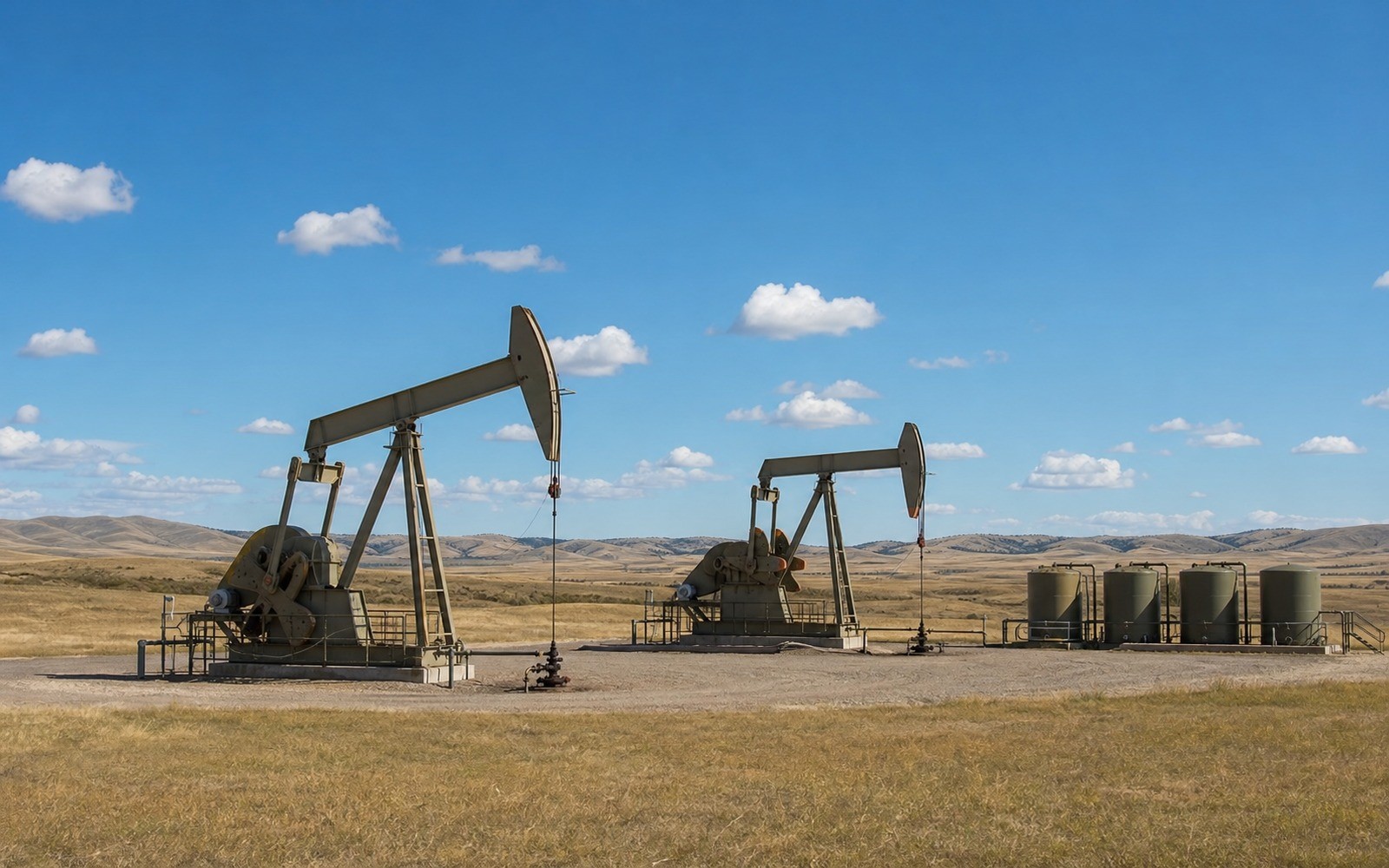
DJ Basin Mineral Rights
Weld County, Colorado sits at the center of one of the more politically complicated basins in the country, and that shows up in how DJ Basin royalty interests get valued today compared to a decade ago.
The Denver-Julesburg Basin, mostly known through Weld County, Colorado but stretching into southeast Wyoming and western Nebraska, produces oil and gas from the Niobrara and Codell formations through horizontal multi-well pads. It's an oil-weighted play with meaningful associated gas, and it's been developed intensively enough that Weld County alone accounts for a significant share of Colorado's total oil production.
What sets the DJ apart from most other basins is regulatory pressure. Colorado has tightened setback and permitting rules over the last several years, which has changed where and how fast operators can drill new wells — directly affecting how much undeveloped upside sits behind an existing mineral interest here.
Setback rules changed the development math
Colorado's 2,000-foot setback requirements from occupied buildings, adopted a few years back, pushed a lot of DJ Basin drilling toward larger, consolidated well pads set farther from homes and schools, rather than the more scattered pad pattern common earlier in the play's development. For a mineral owner, that means development on your specific tract now depends heavily on whether it falls within a viable pad configuration under current rules — some acreage that looked drillable a decade ago is effectively off the table today, while other acreage got folded into larger, more efficient units.
This is one of the more basin-specific factors we weigh on a DJ offer: current permitting status matters more here than in a basin with looser rules, because the regulatory environment itself determines whether nearby drilling is realistic in the next few years or essentially frozen.
Niobrara and Codell, together and separately
Most DJ Basin horizontal wells target the Niobrara, often with a co-developed Codell well on the same pad, since the two formations sit close enough together to be drilled from shared surface locations. Your royalty statement may show production from wells targeting either or both formations, and it's worth understanding which zone is actually producing under your specific interest, since that affects both current volumes and what future drilling could still target.
Because a lot of DJ development happened on large horizontal spacing units, your interest may be diluted across a wide unit with many other mineral owners — worth confirming your decimal interest is calculated correctly against the actual unit size, not an outdated or incorrect acreage figure.
Reading your Weld County statement
DJ statements typically separate oil, gas, and NGL revenue, with post-production deductions for gathering and processing given how much midstream buildout has happened in Weld County over the last fifteen years. Colorado also assesses severance tax that should appear as its own line item — confirm it's being calculated at the current rate and not an outdated figure carried over from an old division order setup.
If your interest spans wells drilled at different points over the play's development — some from the earlier 2010s boom, some from more recent consolidated pads under the newer setback rules — expect to see meaningfully different production characteristics between them even within the same unit.
Ownership situations in DJ country
A lot of Weld County mineral ownership traces back to farm and ranch families who've held the land for generations, sometimes leasing decades before the horizontal boom made the DJ a headline basin. We also talk to owners who bought smaller mineral packages during the 2010s rush and are now trying to understand what regulatory changes since then have done to the remaining value.
Given the added regulatory complexity here, owners increasingly prefer a clear, current offer over trying to track Colorado's evolving permitting rules themselves, especially if they don't live near the basin and rely on news coverage rather than firsthand knowledge of what's actually happening on the ground.
Owner questions
Questions a Royalty Owner Should Ask
Each answer ties the deposited amount back to the title, lease, unit, well, price, and adjustment records that produced it.
Do Colorado's setback rules affect the value of your DJ Basin minerals?
Yes, current setback and permitting requirements shape where new wells can realistically be drilled, which directly affects how much undeveloped upside sits behind your specific tract. We check current permitting status as part of any DJ Basin offer.
What's the difference between a Niobrara well and a Codell well on your statement?
Both are common Denver-Julesburg Basin target formations, often drilled from the same pad. Your check may reflect one, the other, or both depending on which wells have actually been completed on your specific unit.
Is Weld County still being actively drilled?
Development continues but is more concentrated on larger, consolidated pads than it was a decade ago, due to current setback rules. Activity levels vary significantly by specific location within the county.
How is Colorado severance tax handled on your royalty check?
It should appear as its own deduction line separate from post-production costs like gathering and processing. It's worth confirming the rate matches current state requirements rather than an outdated figure.
Related royalty reviews
Trace the next line behind the check
Each of these reviews turns on the same statement detail: the owner decimal, the wells behind it, the deductions, and the payor trail.