
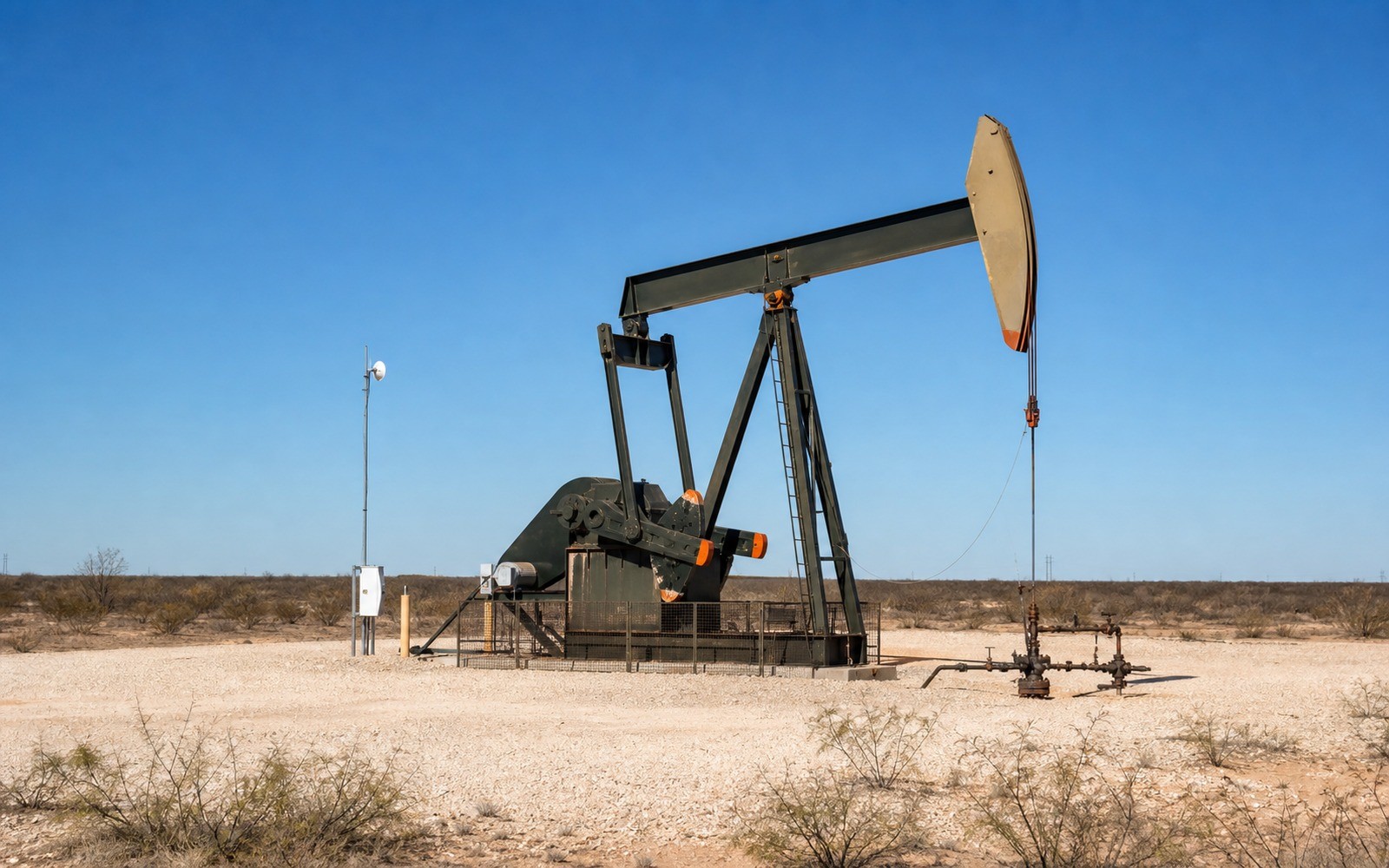
Eagle Ford Shale Mineral Rights
Ask an Eagle Ford owner which window their acreage falls in and most can't answer, but it's the single biggest factor separating a strong interest from a weak one in this play.
The Eagle Ford Shale runs in a long band across South Texas, from the Mexican border up through counties like Webb, La Salle, Karnes, and Dewitt before tapering off toward the Gulf Coast. What makes the Eagle Ford unusual among major shale plays is that it isn't one consistent play — it's really three, stacked side by side across the trend: an oil window to the northwest, a volatile-oil-and-condensate window in the middle, and a dry gas window to the southeast, closer to the coast.
That window position drives everything about what your royalty check looks like. An oil-window Eagle Ford interest and a dry-gas-window interest a hundred miles away can have completely different economics even though they're both technically 'Eagle Ford minerals.'
Finding your window
If your interest sits in the northwestern counties — closer to McMullen, La Salle, or parts of Dimmit — you're most likely in the oil window, where wells produce predominantly crude with modest associated gas. Move southeast into the Karnes, Gonzales, and Dewitt corridor and you're typically in the condensate window, where wells produce a rich mix of oil, high-value natural gas liquids, and gas — often the most valuable window per barrel of hydrocarbon produced. Continue southeast toward the coast and wells shift to dry gas, valued mainly on gas price rather than oil or liquids.
Your county alone is a reasonable first guess at window, but the boundaries aren't clean lines — they shift with depth and specific geology, so two tracts in the same county can sit in different windows. If you're unsure, your royalty statement's revenue mix — how much comes from oil versus gas versus NGLs — is the clearest evidence of which window you're actually in.
Why the condensate window often surprises owners
Owners in the condensate window sometimes underestimate their interest because they're focused on oil price alone, missing that a meaningful share of revenue comes from natural gas liquids — propane, butane, and natural gasoline — that get stripped out and sold separately. Those NGL volumes should show up as their own revenue line on your statement; if you only see oil and gas lines with no separate NGL entry despite producing in this window, it's worth asking the operator directly whether liquids are being tracked and paid correctly.
This window has also seen some of the more active recent drilling in the play, since condensate economics have held up reasonably well through oil price cycles that hurt straight oil plays more.
Reading a South Texas statement
Eagle Ford wells decline steeply in year one like most unconventional shale wells, so expect your check to drop noticeably after the first twelve to eighteen months before settling into a longer, flatter tail. Gathering, processing, and transportation deductions are standard, and given how mature the midstream buildout is across the trend at this point, most owners see fairly consistent deduction structures from well to well within the same operator's acreage.
If you hold interests across multiple Eagle Ford counties, it's worth having each unit's window, well count, and current production status laid out clearly before evaluating any offer, since lumping the whole position together without that detail tends to undervalue the stronger tracts and overvalue the weaker ones.
Ownership across the South Texas trend
A lot of Eagle Ford minerals trace back to ranching families who've held South Texas land for generations, long before anyone knew what sat beneath it. We also talk to owners who leased or sold partial interests during the 2010-2014 boom and are now trying to understand what's left, especially as some operators have consolidated acreage positions through mergers over the last several years, changing who actually operates their unit.
Selling appeals to different owners for different reasons here — heirs managing scattered small interests across several counties, owners wanting to exit before a well moves further down its decline curve, or owners simply ready to convert a South Texas oil-and-gas position into cash for other priorities.
Owner questions
Questions a Royalty Owner Should Ask
Each answer ties the deposited amount back to the title, lease, unit, well, price, and adjustment records that produced it.
How do you know which Eagle Ford window your minerals are in?
Your county is a reasonable starting guess, but the cleanest evidence is your royalty statement's revenue mix — oil-dominant suggests the oil window, a strong NGL and condensate mix suggests the middle window, and mostly gas revenue points to the dry gas window.
Why does your Eagle Ford statement show a separate NGL revenue line?
Condensate-window wells typically produce natural gas liquids like propane and butane alongside oil and gas, and those get stripped and sold separately from the residue gas. That line should reflect real value — if it's missing despite production in this window, it's worth asking the operator about it.
Is the oil window worth more than the dry gas window?
It depends on current oil versus gas pricing at any given time, but historically the condensate window in the middle of the trend has often produced the strongest overall economics because it captures value from three revenue streams instead of one or two.
Your Eagle Ford well's check has dropped a lot since it was drilled — is that normal?
Yes, Eagle Ford wells follow the typical steep first-year shale decline before leveling into a longer, flatter tail, so a significant drop after twelve to eighteen months is expected rather than a sign of a problem.
Related royalty reviews
Trace the next line behind the check
Each of these reviews turns on the same statement detail: the owner decimal, the wells behind it, the deductions, and the payor trail.