
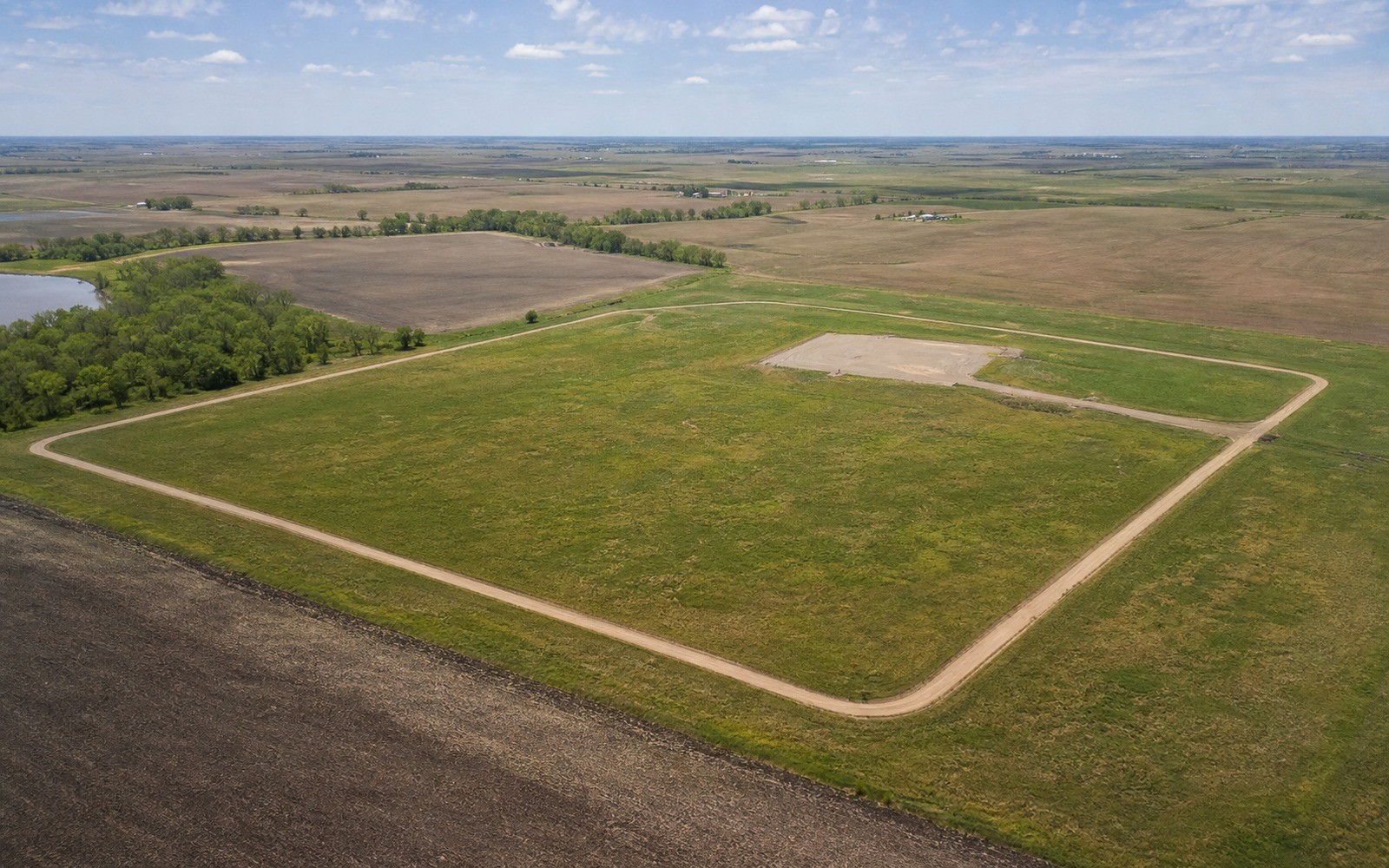
Leased but Undrilled
A signed lease and a bonus check feel like the start of something, but plenty of owners wait three, five, even ten years for a rig that never shows up.
Leasing and drilling are two separate business decisions made by two different departments at an operator, sometimes years apart. Landmen lease acreage to hold options open across a large area, and then the drilling schedule gets set later based on commodity prices, rig availability, and how the operator's other wells in the region are performing. None of that has much to do with your specific tract, which is frustrating if you're the one waiting on a check that never comes.
If your minerals are leased but nothing's been drilled, you're sitting on an asset with real but uncertain value, and the lease terms determine most of what happens next.
What the lease clock is actually doing
Most oil and gas leases run on a primary term, commonly three or five years, during which the operator can drill or let the lease lapse. If a well is drilled and produces before that term expires, the lease goes into its secondary term and stays active as long as production continues. If nothing is drilled, the operator either lets it expire, pays a delay rental to extend it, or negotiates a new lease with a fresh bonus. Read your lease's specific term and delay rental language, since terms vary a lot between operators and eras.
Some leases also include pooling or unitization clauses that let the operator combine your tract with neighboring acreage into a single spacing unit. If that happens, you may start getting paid on a well that wasn't physically drilled on your land at all, just nearby, within the same unit.
Why some leased acreage never gets drilled
Operators lease more acreage than they ever plan to drill in the near term, because holding options is cheap relative to drilling, and plans change with commodity prices. A tract can also sit undrilled simply because it's not the most economic spot in the operator's current inventory, even if the geology underneath is decent. Being in a core part of a play helps your odds, but it's never a guarantee of timing.
It's also common for a lease to change hands, sold from one operator to another, and the new owner reprioritizes the drilling schedule entirely. That's normal and doesn't necessarily mean anything is wrong with your tract.
What buyers pay for undrilled, leased acreage
Since there's no check history yet, valuing leased-but-undrilled minerals comes down to the play, your position relative to producing wells nearby, the operator's activity level in the county, and how much lease term is left. A tract in an active core area with a large operator actively permitting nearby wells is worth meaningfully more than the same acreage on the flank of a play with a small or inactive operator holding the lease.
If you'd rather have certainty now than wait out an uncertain drilling schedule, selling the mineral interest while it's still leased is common. You typically keep whatever bonus you already collected, and the buyer takes on the wait for drilling, and the risk that it never happens.
What to watch while you wait
Keep an eye on your lease's expiration date and whether any delay rental notices or extension requests arrive as the primary term nears its end, since missing a response deadline can occasionally work against you depending on the lease language. It's also worth checking state permitting records periodically for new applications near your tract, which is often the earliest public signal that drilling activity is picking up in your area.
None of this requires hiring anyone. A few minutes checking your state's oil and gas commission website every so often is usually enough to know whether your acreage's odds of getting drilled are improving or fading.
Owner questions
Questions a Royalty Owner Should Ask
Each answer ties the deposited amount back to the title, lease, unit, well, price, and adjustment records that produced it.
Can you sell mineral rights that are leased but not yet producing?
Yes, leased acreage is regularly bought and sold even before any well is drilled. The buyer is essentially purchasing the future royalty potential, priced against the operator's activity in the area rather than an existing check history.
What happens to your lease if the primary term expires with no well drilled?
Depending on your lease terms, it either expires and reverts fully to you as unleased minerals, or the operator pays a delay rental or negotiates an extension to keep it active. Check your specific lease language for how it handles expiration.
If you sell your leased minerals, do you lose the bonus you already got paid?
No, a bonus payment you've already received is yours regardless of a later sale. The buyer is purchasing your future interest in production and any future lease activity going forward.
How do you know if your acreage is likely to get drilled soon?
Check the state oil and gas commission's permitting records for activity near your tract, and look at whether the operator holding your lease has been actively drilling elsewhere in the county recently. That activity level is the best public signal available.
Does pooling mean your tract will get drilled directly?
Not necessarily. Pooling combines your tract with others into a shared spacing unit, and the well may be physically located anywhere within that unit, not on your specific acreage, while you're still paid your proportional share.
Should you hold out for a bigger bonus on your next lease instead of selling now?
That depends on how strong leasing activity currently is in your county. If operators are actively competing for acreage nearby, waiting can pay off. If leasing has gone quiet, an offer to sell today may be worth more than an uncertain future bonus that may never materialize.
Related royalty reviews
Trace the next line behind the check
Each of these reviews turns on the same statement detail: the owner decimal, the wells behind it, the deductions, and the payor trail.