
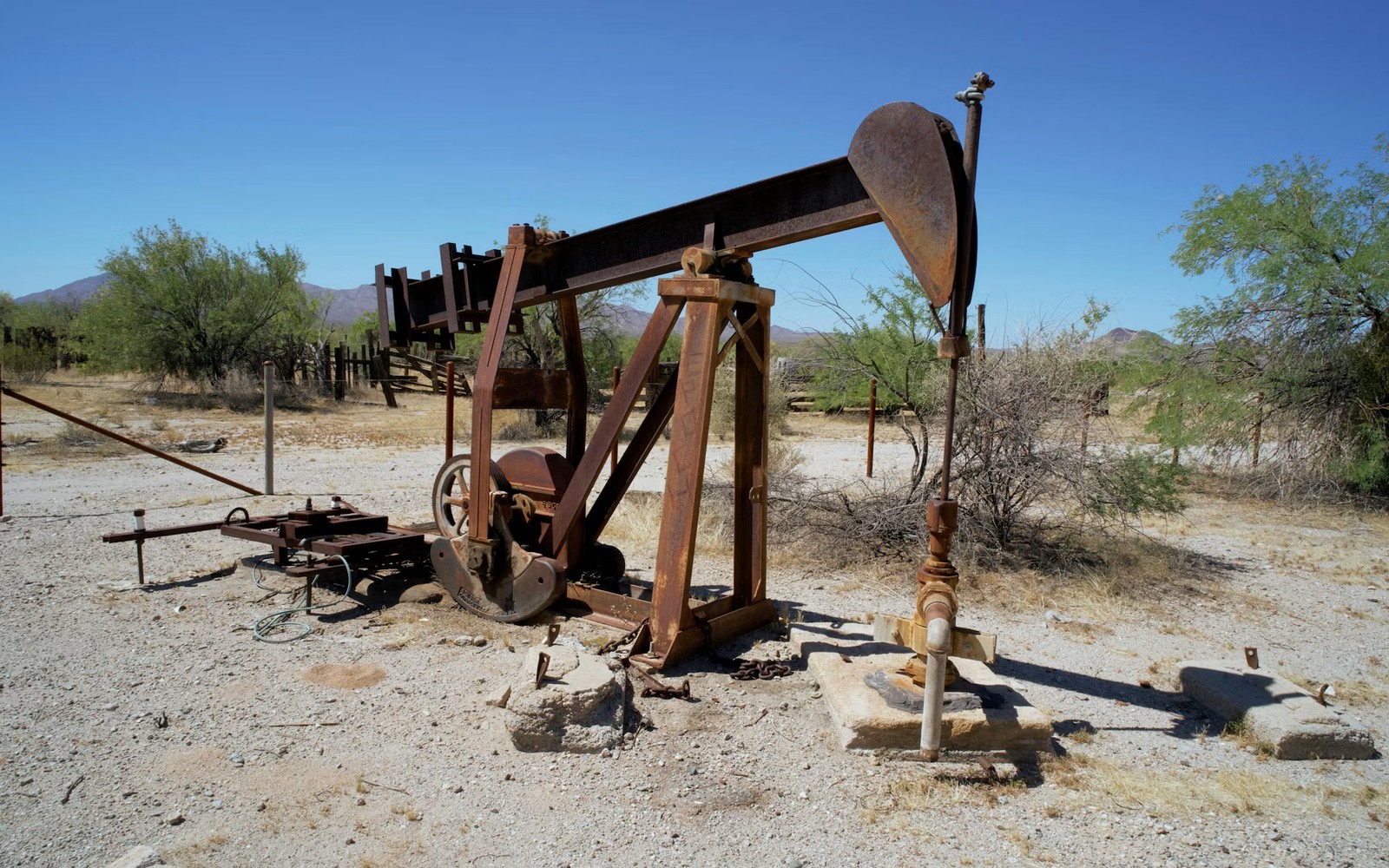
Surface vs. Mineral Estate
Plenty of landowners are surprised to learn they don't own what's beneath their own property, and plenty of mineral owners have never once set foot on the land their check is tied to.
Every tract of land can legally be split into two separate estates: the surface, everything you can see, walk on, and build on, and the minerals below it. These two estates can be owned by completely different people, a situation called severance, and once severed they behave as independent property interests that can each be sold, leased, or inherited on their own path, with no requirement that they ever stay together again.
This split trips up a lot of owners because it's counterintuitive. Most other property comes as one bundle. Minerals are the exception, and understanding which estate you actually own, or whether you own both, is the first question before anything else about leasing or selling makes sense.
How the two estates get separated
Severance usually happens one of two ways: a landowner sells the surface but keeps the minerals, common when a family sells farmland but wants to retain future oil and gas value, or a landowner sells or leases just the minerals while keeping the surface for farming, ranching, or living on. Once that split happens, it typically stays in place through every future sale of either estate, unless a deed specifically reunites them, which is rare.
This means someone buying a house or a farm today may have no mineral rights at all if a previous owner severed and kept or sold them decades earlier, sometimes generations back, well before the current owner ever purchased the property.
Who controls what under a severed estate
In most states, the mineral estate is legally dominant over the surface estate for purposes of access, meaning a mineral owner or their lessee generally has the right to reasonable use of the surface to explore for and produce minerals, even if a different party owns the surface. That right typically comes with obligations too, reasonable compensation for surface damage in many states, and increasingly, surface use agreements negotiated up front before drilling begins.
The surface owner still controls everything else: farming, building, grazing, day-to-day use of the land, just without the ability to block reasonable mineral development, which is often the source of tension between the two owners when they're different people.
Selling minerals without touching the surface at all
If you own a severed mineral interest with no surface rights, selling it has no effect whatsoever on the surface owner. You're transferring a legal interest in what's below ground, and the transaction doesn't require the surface owner's knowledge or consent, since they were never a party to the mineral title in the first place.
Before selling, it's worth confirming your interest really is fully severed and that you're not confusing mineral ownership with just a royalty carved out of someone else's minerals. A quick check of your deed's granting language, or a title search if the history is unclear, settles that question.
Common confusion around severed estates
A frequent mix-up happens when someone assumes a surface use agreement or a small check for a pipeline easement means they own minerals, when in fact those payments relate only to surface access and have nothing to do with mineral ownership underneath. The two are entirely separate legal relationships even when the same operator is on both ends of them.
Another common mix-up runs the other direction, an owner who inherited severed minerals decades ago assumes they still own the surface too, only to discover during a sale conversation that the surface was sold off by a prior generation and never came back together with the minerals.
Owner questions
Questions a Royalty Owner Should Ask
Each answer ties the deposited amount back to the title, lease, unit, well, price, and adjustment records that produced it.
How do you find out if your mineral rights were severed from your surface land?
Check your deed's language, if it specifically excludes or reserves minerals, they've been severed. If the deed is silent or unclear, a title search at the county clerk's office will trace the ownership history.
Can a mineral owner drill on your land if you only own the surface?
In most states, yes, the mineral estate generally holds the right to reasonable surface access for development, though many states now require compensation for surface damage or a negotiated surface use agreement first.
If you sell your house, do you automatically sell the mineral rights too?
Not unless the deed specifically includes them. If minerals were previously severed, or if you choose to reserve them in your own sale, they can stay separate from the surface transaction entirely.
Does selling your mineral rights affect who owns the surface?
No, selling a severed mineral interest has no effect on surface ownership. The two estates remain legally independent, and the surface owner isn't a required party to a mineral sale.
Can you own the surface and minerals together and choose to keep them that way?
Yes, if the estate was never severed, you own both together, and nothing requires you to split them unless you choose to sell or reserve one separately in a future transaction.
Does owning the surface give you any say in whether your land gets leased for minerals you don't own?
No, if the minerals were severed and belong to someone else, that owner controls leasing decisions independently. As the surface owner, your role is typically limited to negotiating access terms and any compensation for surface use once development actually happens.
Related royalty reviews
Trace the next line behind the check
Each of these reviews turns on the same statement detail: the owner decimal, the wells behind it, the deductions, and the payor trail.